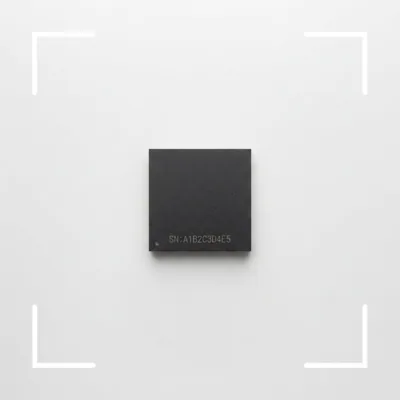
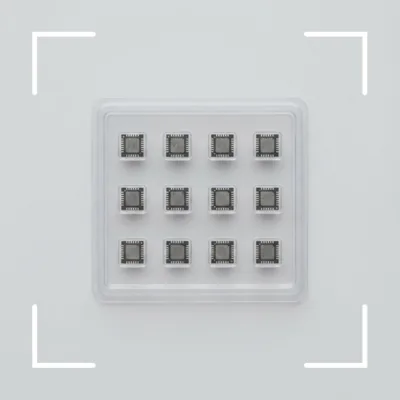
AI Visual Inspection for PCB, SMT, and Electronic Components

Detect micro-defects, missing components, and surface anomalies on electronic parts at full production speed. Built to handle the complexity and variability of real manufacturing environments.

Visionairy inspection on an electronics line
APPLICATIONS

Inspection use cases for electronics manufacturing

Defect detection, assembly verification, and full traceability across every production line, on a single platform.

Surface Defect Detection

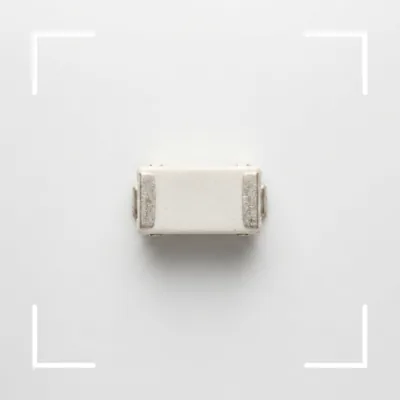
Identify scratches, cracks, oxidation, and micro-defects on components and assemblies. Catches what human inspection and standard cameras miss.

Surface defect detection on a ceramic chip
Solder Joint Inspection

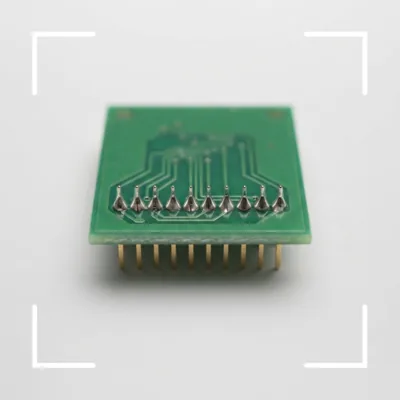
Verify solder quality on single-face boards and flag missing or incomplete joints before the part moves downstream.

Solder joint inspection on a PCB
PCB Assembly and SMT Quality Control

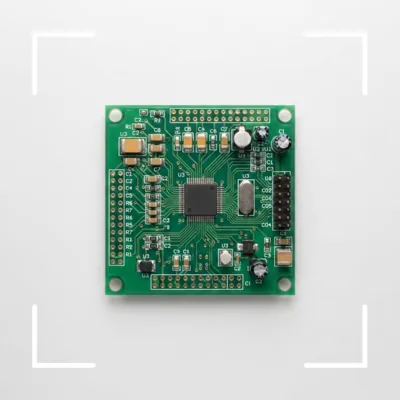
Detect missing or misplaced components, polarity errors, and soldering defects, and read component markings (OCR). One inspection pass covers SMT and THT assembly lines.

Component presence verification on a PCB
Multi-Camera 360 Inspection

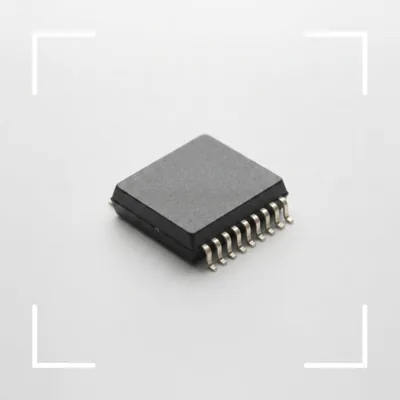
Use multiple synchronized cameras to capture several angles of a component in a single production cycle, with results correlated into one quality verdict.

Multi-camera inspection of a semiconductor chip
Traceability and Genealogy

Log every inspection with serial number, operator, equipment, and image. Full component traceability from incoming goods to outgoing shipment, synced directly into your existing BI or analytics tools.

Traceability and genealogy with serial numbers
Defect Classification

Classify defect types automatically. Route parts to the right corrective action. Reduce unnecessary scrap and rework costs.

Automatic defect classification across chips
KEY FEATURES AND BENEFITS

Precision AI inspection for high-value components

PRECISION
Sub-Millimeter Defect Detection

Find micro-cracks, solder bridges, and contamination on high-value components. A single escape has significant downstream cost.

MULTI-CAMERA
Inspect All Angles Simultaneously

Multiple synchronized cameras capture every surface. Inspection results are automatically correlated. No manual cross-referencing.

TRACEABILITY
Full Component Genealogy

Every part logged with serial number, operator, equipment, and image. Traceable from incoming goods to outgoing shipment.

INTEGRATION
Connects to Your BI and MES Tools

Native export to Qlik, Power BI, or any analytics platform via API. Quality data flows into your existing systems automatically.

DEPLOYMENT
New Part Qualification in Hours

Simple enough for non-experts: add reference images, label a handful of examples, and retrain the model. No coding needed. New parts can typically be qualified within hours.

GOVERNANCE
Standardized Defect Taxonomy

Define consistent defect categories across all your lines. Eliminate subjective operator judgment. One standard, every shift.

CUSTOMER STORY

Reaching for Zero Defects with Toshiba

Mohamed Mebtoul, Toner Production Director at Toshiba Dieppe, shares how Visionairy helped automate visual inspection on their production lines — eliminating human inconsistency, building operator confidence, and putting quality data at the center of their production strategy.

"We no longer rely on human judgment to catch defects. The AI runs every shift, every part, at the same standard."
0 ppm
Defects reaching end customers since deployment
Visionairy × Toshiba
FAQ

Electronics visual inspection, answered

Can AI visual inspection be used on SMT production lines?

Yes. In most cases, a single image is enough to check component placement, polarity, and solder joints. When needed, multiple synchronized cameras capture every board angle in a single production cycle, on SMT and THT assembly lines, without slowing the line down.

What defects can AI catch on electronic components that standard cameras miss?

Micro-cracks, oxidation, solder bridges, and other sub-millimeter surface anomalies on high-value components. A single escape here has a significant downstream cost, which is why sub-millimeter precision matters.

Does Visionairy support component traceability for electronics manufacturing?

Yes. Every inspection is logged with serial number, operator, equipment, and image, from incoming goods to outgoing shipment. Data syncs directly into your existing BI or MES tools via API.

How is PCB assembly quality control automated with AI vision?

One inspection pass checks component presence, polarity, solder quality, and reads component markings through OCR. Multiple synchronized cameras cover every angle so nothing is missed on complex boards.

How long does it take to qualify a new electronic component or board for inspection?

It's simple and doesn't require technical expertise: add reference images, label them, and retrain the model. No coding needed. This can typically be done within a few hours.

Do you have an electronics inspection use case?

Tell us what you need to inspect. Our vision engineers deliver a tailored feasibility report at no cost.