Anomaly Detection
Detect defects your team has never seen before. Our AI trains on good parts only and flags any deviation, including defects that have never occurred in production before.
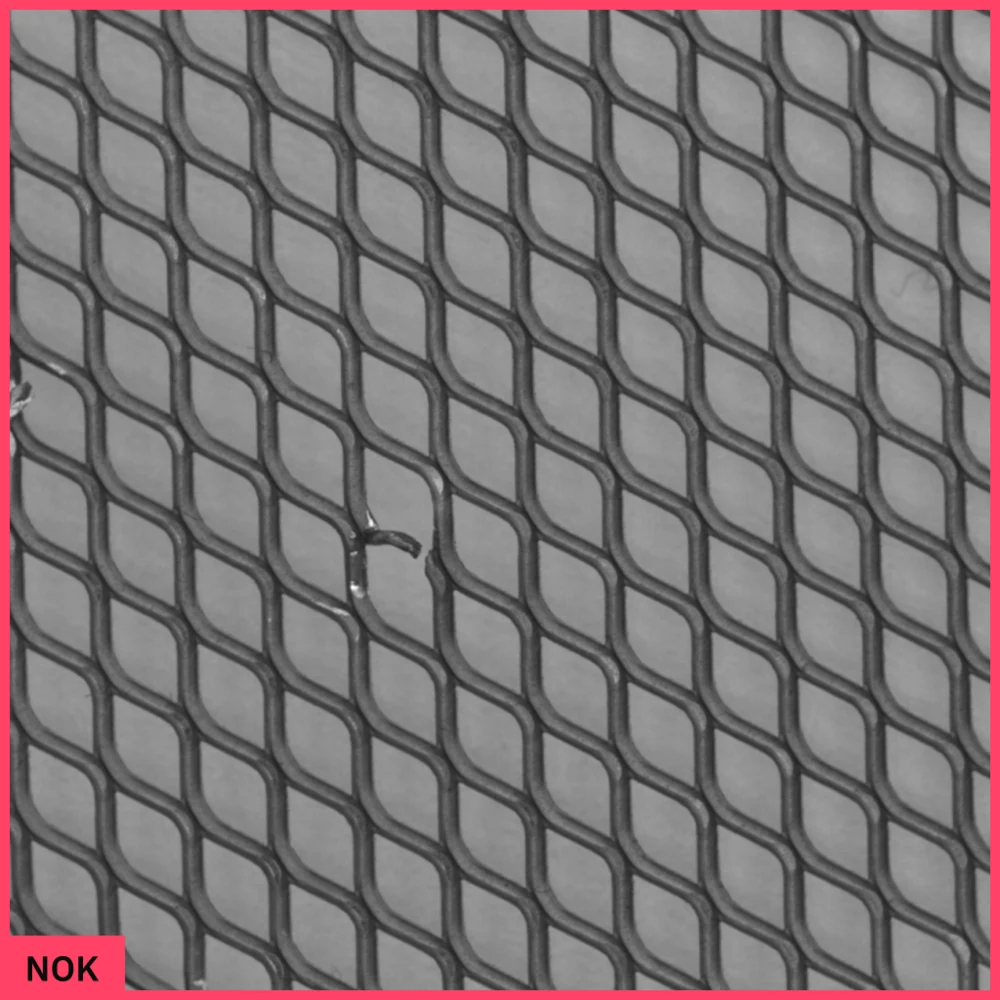
The AI learns normality, not defects
Most inspection systems need defect examples to learn from. Anomaly detection works the other way around. The AI trains exclusively on good parts, builds a precise model of what normal looks like, and detects anything that deviates. That includes defects that have never been seen before. Start from a handful of reference images.
- Needs hundreds of defect examples
- Requires defect taxonomy upfront
- Misses unknown defect types
- Fails on rare or new defects
- Trains on a small batch of good parts
- No defect examples needed
- Detects known and unknown defects
- Adapts as production evolves
Powered by GLAD
GLAD is the AI model developed by Visionairy in partnership with CNRS and ENS Paris-Saclay. It trains exclusively on compliant parts. A small set of reference images is enough to get started, with no defect examples needed. GLAD detects known and unknown anomalies simultaneously, analysing parts at global and local level, at a precision that ranks among the highest on industrial benchmarks.
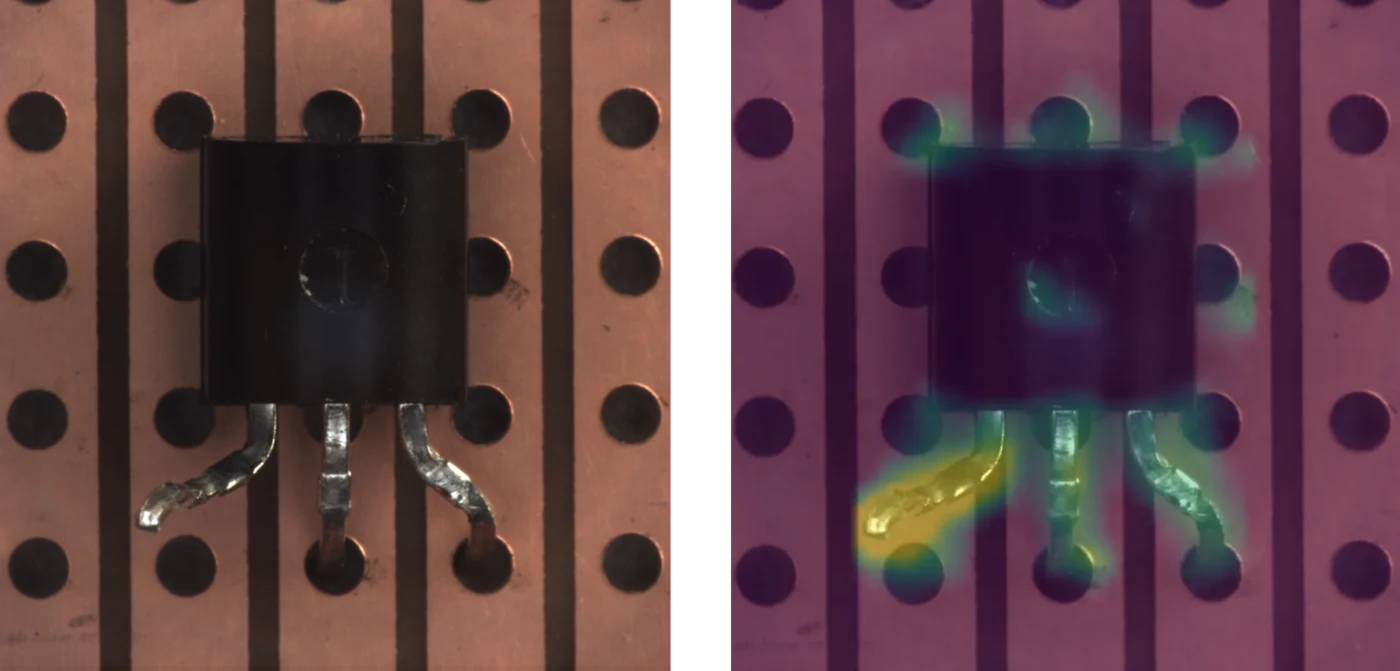
Anomaly detection is the right choice when:
Defects are rare or unpredictable
When defects are too rare to collect enough examples for supervised training. The AI learns from good parts only, so no defect catalog is required.
You are starting a new product line
When you need inspection running from day one, without waiting to accumulate defect history. A few reference images and you are ready.
Defect types are not yet defined
When the defect taxonomy is not established or evolves over time. The AI flags anything abnormal, and your team classifies it afterwards.
Industries and applications
Surface defect detection
Machined, moulded, or formed parts across automotive, electronics, and plastics.
Food product inspection
Shape, surface, and contamination anomalies on organic products at line speed.
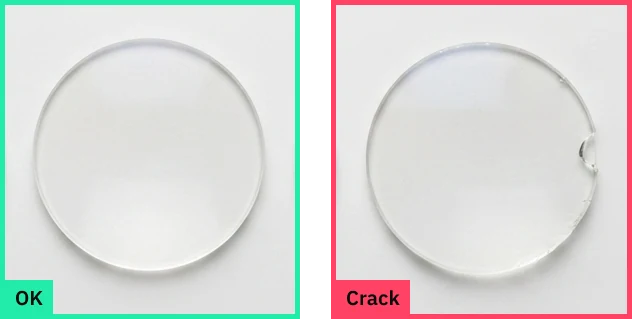
Glass and optical surfaces
Micro-defects, inclusions, and coating anomalies on lenses and precision glass.
Electronic component soldering
Cold joints, bridges, voids, and missing solder on PCBs and electronic assemblies.
Contamination on conveyors
Foreign objects and contaminants in recycling or food production streams.
Textile and material surfaces
Weave defects, stains, and surface irregularities on continuous materials.
What makes anomaly detection different
50 images to get started
No need for thousands of labeled images. A small set of compliant parts is enough to train a production-ready model.
Detects what you did not expect
Because the AI learns normality, it catches unknown defects, not just the ones in your training catalog.
Adapts as production evolves
When product references change or production conditions shift, the model retrains from new examples in minutes.
Do you have an anomaly detection use case?
Our vision engineers analyze your production case and deliver a tailored feasibility report at no cost, in under five days.